




We specialise in AI integrations to power your business forward

Custom WordPress Development Services

We develop WordPress around the job the platform needs to do. That may mean a new bespoke website, custom functionality, an API integration, a complex migration or focused improvements to an inherited site.

Before writing code, we review the users, content, workflows, data and systems involved. This creates a clear technical scope and a maintainable solution rather than a collection of short-term fixes.

Bespoke WordPress themes and Gutenberg blocks

Custom WordPress plugins and functionality

API, CRM and third-party integrations

Existing-site audits, rescue and redevelopment

WordPress migrations and SEO-safe launch planning

Managed hosting, maintenance and ongoing support

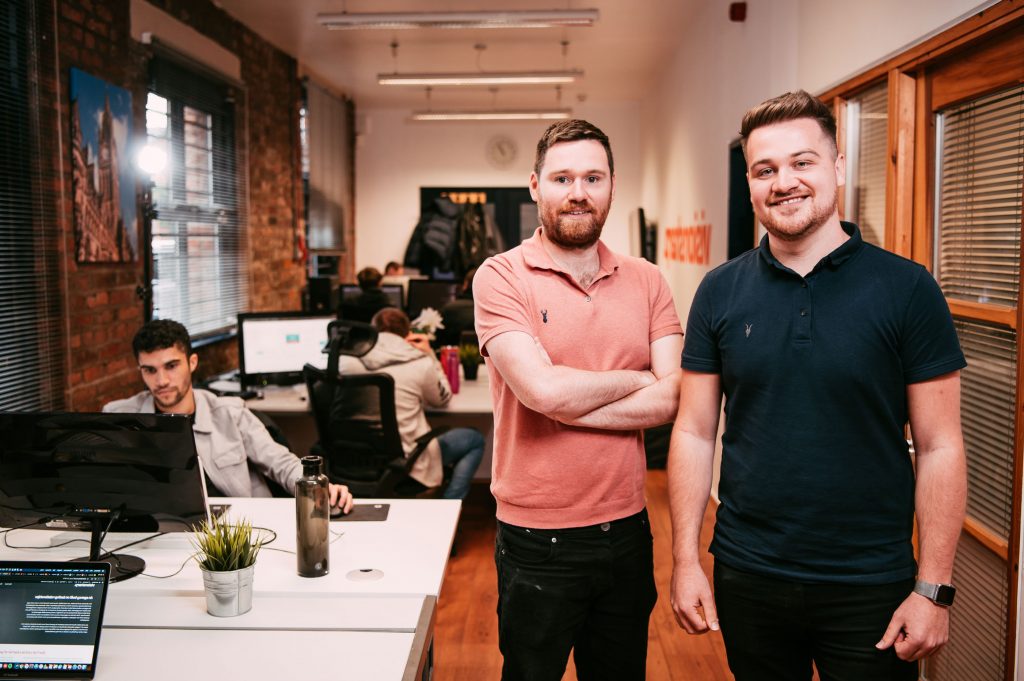
VisionSharp Manchester web design and ecommerce development team

WordPress Development and Custom Functionality

WordPress can support far more than standard pages and blog posts. We use custom post types, taxonomies, reusable blocks, permissions and integrations to model the real content and processes behind a business.

Where systems need to connect, we review the provider documentation, authentication, available data and failure handling before recommending an API, feed or plugin approach.

The aim is a platform that is straightforward for editors, useful for customers and maintainable for the team supporting it.

Custom Themes and Blocks

Purpose-built responsive themes and flexible Gutenberg or ACF blocks, created without the restrictions and unused code of a purchased template.

Custom Plugins

Bespoke WordPress functionality where an established, well-maintained plugin cannot safely meet the requirement.

APIs and CRM Integrations

Documented connections between WordPress and suitable CRM, marketing, recruitment, booking, payment or operational systems.

Structured Content and Permissions

Content models, taxonomies, user roles and editorial controls designed around how the organisation publishes and governs information.

Technical SEO and Performance

Crawlable templates, controlled metadata, redirects, structured data, caching and front-end performance considered as part of the build.

WooCommerce Development

Custom product, basket and checkout experiences, subscriptions and integrations when WordPress also needs to support ecommerce.

VisionSharp ecommerce website development team planning an online store project

Our Custom WordPress Development Process

Complex WordPress work is safer when the requirements, dependencies and release plan are visible. We use a staged process that gives clients clear decisions and gives developers a reliable route from inherited code or initial brief to launch.

Technical discovery and audit

We review the existing code, hosting, data, users and connected systems before recommending a solution.

Architecture and acceptance criteria

Content models, integrations, permissions and measurable completion criteria are agreed upfront.

Staged, version-controlled development

Work is developed in controlled environments and reviewed in manageable releases.

Integration and data testing

APIs, feeds, forms and failure handling are tested against the agreed real-world workflows.

SEO-safe migration and launch

Redirects, metadata, analytics, permissions, backups and rollback requirements form part of release planning.

Monitoring and planned improvement

Post-launch support can combine monitoring and fixes with a prioritised development roadmap.

Selected WordPress Development Projects

These projects demonstrate different technical jobs: an event platform for AI UK with ticketing and live-stream requirements, a bespoke professional-services website for Astons, and a recruitment platform joining vacancies, candidate journeys and employer routes for Vertical Recruitment.

VisionSharp web development team in the Manchester office

What Our WordPress Development Team Covers

Strong WordPress development combines platform knowledge with wider web engineering. Our team works across PHP, MySQL, HTML, SCSS and JavaScript while also considering accessibility, infrastructure, deployments and the systems connected to the website.

That breadth matters when a project involves inherited code, complex data, integrations or a business-critical launch.

Bespoke WordPress themes and block systems

Custom plugins and business functionality

API, CRM and third-party integrations

Accessible, responsive front-end development

Git-based development and staged releases

Hosting, performance and deployment knowledge

Custom WordPress Development FAQs

Yes. We can audit the theme, plugins, database, hosting and deployment setup before recommending a focused repair, staged redevelopment or full rebuild. We avoid promising a solution until the inherited code has been reviewed.

Yes, where bespoke functionality is the right solution. We also evaluate whether a reliable existing plugin can meet the requirement without creating unnecessary maintenance or security risk.

Often, yes. We review the provider documentation, authentication, available endpoints, rate limits, data ownership and failure handling before confirming the integration approach.

Yes. A migration plan can cover content, media, URL mapping, redirects, metadata, forms, analytics and integrations. Protecting useful search visibility forms part of the release plan.

Testing can cover responsive layouts, browsers, permissions, forms, integrations, data handling, redirects, accessibility and performance. The exact acceptance criteria are agreed during technical scoping.

Project ownership, licences and third-party services are documented in the proposal. We favour maintainable solutions and a clear handover so the client understands the platform and its dependencies.

Yes. Managed hosting, maintenance and retained development can be scoped for updates, monitoring, incident response and planned improvements.